Free Home Modifications for Disabled Adults
Almost every family overpays for aging-in-place modifications because they don't know the money is there. Here's the actual list of programs — federal, state, VA, nonprofit — that can fund some or all of your remodel.
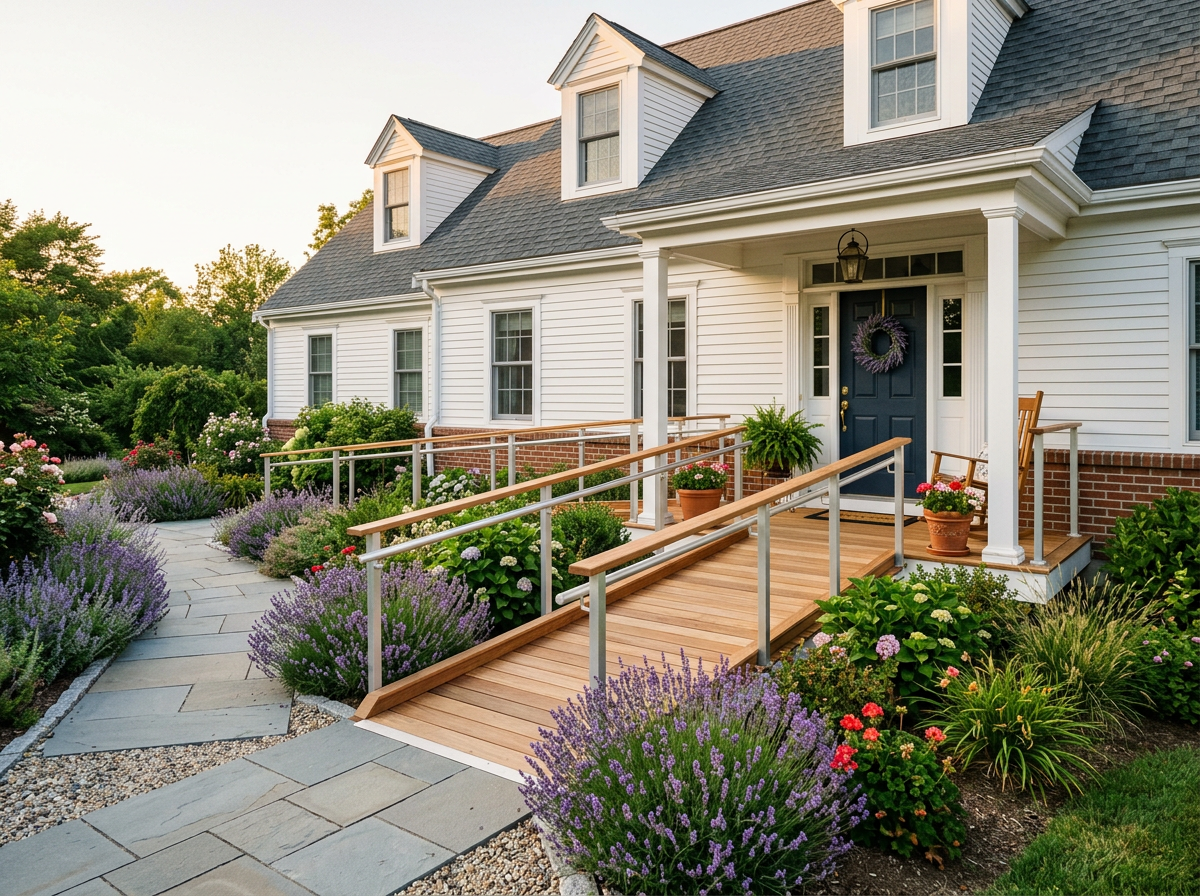
This article will not pretend to be exhaustive. Programs change every year, eligibility varies by state, and the application paperwork can be brutal. But the money is real. We've personally seen families get $40,000 stairlifts paid for through a program they didn't know existed.
Start at the top of this list and work down. The earliest programs are the most generous; the later ones layer on top.
1. VA Specially Adapted Housing (SAH) Grant
Up to $117,014 for veterans with service-connected disabilities. Used for ramps, doorway widening, bathroom modifications, and more. Can be used multiple times in a lifetime up to the cap.
Eligibility: Loss of use of two limbs, severe burns, certain other conditions. Apply through the VA's Specially Adapted Housing program.
2. VA Special Housing Adaptation (SHA) Grant
Up to $23,444 for veterans with less severe but still service-connected mobility-related disabilities. Easier qualification, smaller amount.
3. VA Home Improvements and Structural Alterations (HISA)
Up to $6,800 (service-connected) or $2,000 (non-service-connected). Available to ANY veteran enrolled in VA healthcare, regardless of whether the disability is service-connected. The most under-utilized VA program in the country.
4. Medicaid Home and Community-Based Services (HCBS) Waivers
Every state has a Medicaid waiver program that covers home modifications for people who would otherwise need nursing-home care. Coverage varies wildly — Pennsylvania's pays for stairlifts; Florida's largely doesn't. Call your state's Aging and Disability Resource Center.
5. USDA Section 504 Home Repair Program
Rural homeowners 62+ with low incomes can get grants up to $10,000 for safety/accessibility repairs. Loans up to $40,000 at 1% interest also available. The USDA's Single Family Housing Repair page handles applications.
6. Habitat for Humanity Aging in Place
Many local Habitat affiliates run "critical home repair" programs that include ramps, grab bars, and bathroom modifications. Income must be below 60% of area median. Wait lists vary; some are months, some are years.
7. Rebuilding Together
National nonprofit network providing free home repairs and modifications for low-income elderly and disabled homeowners. rebuildingtogether.org has a local-affiliate finder.
8. Area Agencies on Aging (AAA)
Every region of the US has an AAA — they're underfunded, overworked, and often the best-kept secret in eldercare. Many offer minor home modification grants ($500–$2,500). Eldercare Locator (1-800-677-1116) connects you.
9. State-specific programs
A non-exhaustive sample:
- California: CalWORKs Home Modification Pilot, Senior Home Repair Loan Program
- New York: RESTORE Program (up to $10,000 for senior homeowners)
- Texas: Texas Department of Aging and Disability Services HCBS waivers
- Pennsylvania: PennHomes Loan/Grant Program
- Florida: Statewide Medicaid Managed Care + LSP grants
Search "[your state] + home modification grant" to find equivalents.
10. Nonprofit disability-specific funds
Diagnosis-specific organizations often have small grant programs. Examples: MDA (muscular dystrophy), ALS Association, Christopher and Dana Reeve Foundation Quality of Life Grants. These are smaller (typically $500–$2,500) but easier to qualify for.
11. Tax deductions and credits
Medical home modifications can be deducted as medical expenses on Schedule A — to the extent they exceed 7.5% of AGI and to the extent they don't add resale value. Ramps, grab bars, lift chairs typically qualify. Talk to a CPA before you spend.
12. Long-term care insurance
If the person needing modifications has an LTC policy, read it. About 30% of modern policies include a "home modification benefit" of $5,000–$10,000. It's almost never proactively offered by the insurer.
The biggest mistake we see: families spending their own money first, then discovering programs that would have covered the work. Spend two weeks on applications before you spend two months on installation.
📞 Call 1-800-555-AGED